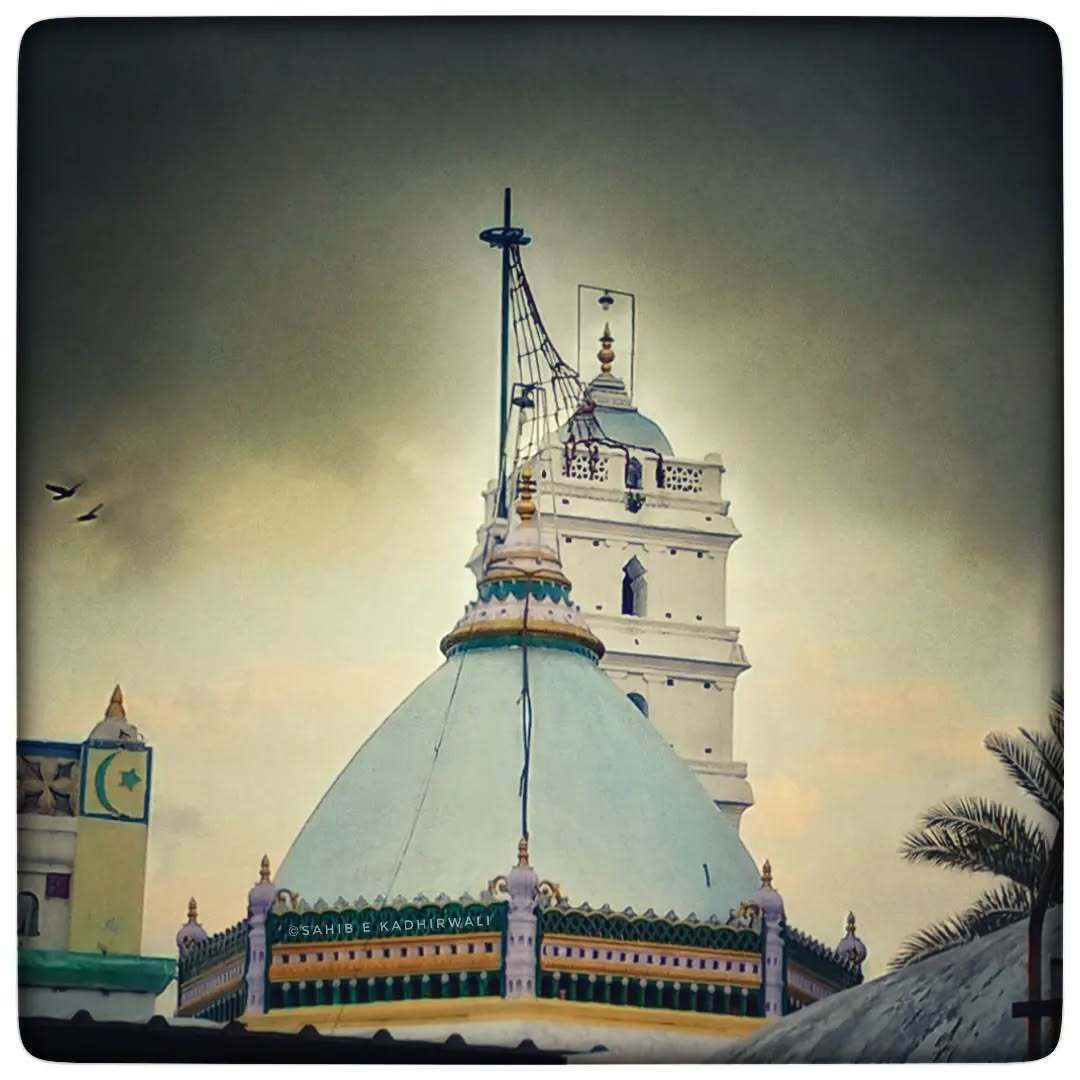
About Nagore Dargah
Nagore Dargah (also called Nagoor Dargah or Hazrat Syed Shahul Hameed Dargah) is a dargah built over the tomb of the Sufi saint Hazrath Shahul Hameed Raliyallahu Thaa'la Anhu (1490–1579 CE). It is located in Nagore, a coastal town in the South Indian state of Tamil Nadu. Hazrath Shahul Hameed Raliyallahu Thaa'la Anhu is believed to have performed many miracles in Nagore and cured the physical affliction of King Achutappa Nayak, a 16th-century Hindu ruler of Thanjavur. He is locally referred to as Nagore Andavar.
Nagore Dargah as it stands today is believed to have been built by ardent devotees of Hazrath Shahul Hameed Raliyallahu Thaa'la Anhu, with major contributions from Hindus. There are five minarets in the dargah, with the tallest built by the Hindu Maratha ruler Pratap Singh (1739–1763 CE). The dargah serves as a major pilgrim centre for both Muslims and Hindus, symbolizing the peaceful coexistence of the two religions.
The most prominent event held at Nagore Dargah is the Kanduri festival, a fourteen-day commemoration of the saint’s death anniversary. Common worship practices include the presentation of offerings, often accompanied by the playing of musical instruments like the nadaswaram, a tradition usually seen in Hindu worship. Within the dargah complex lies the sacred Shifa Gunta pool, where pilgrims take a holy dip. The hereditary Khalifa, chosen from among the descendants of Saint Hazrath Yusuf Dada Raliyallahu Thaa'la Anhu, performs the official and religious duties, while the administration of the dargah is managed by a committee functioning under a scheme decreed by the Madras High Court.
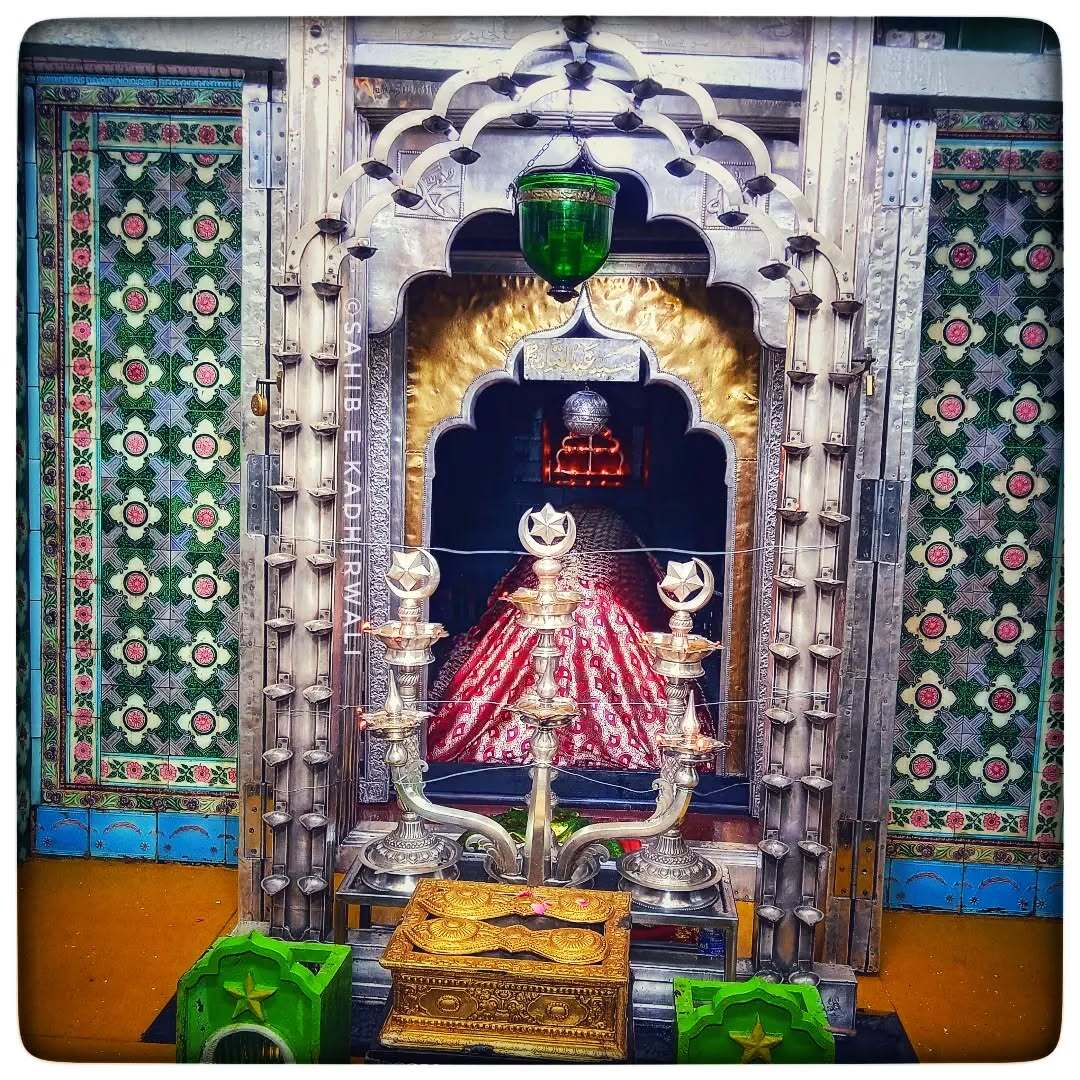
About Saint
Achutappa Nayak, the king of Thanjavur during the 16th century, donated 200 acres (81 ha) of land to the entourage of Saint Hazrath Shahul Hameed Raliyallahu Thaa'la Anhu after the saint cured the king's affliction. The dargah was built on a part of the land donated by Nayak. Saint Hazrath Shahul Hameed Raliyallahu Thaa'la Anhu is believed to have predicted his Wisaal (Passing) and advised his adopted son, Saint Hazrath Yusuf Dada Raliyallahu Thaa'la Anhu, about the location of his burial and the rites to be performed afterwards. Saint Hazrath Yusuf Dada Raliyallahu Thaa'la Anhu carried out the rites as instructed and chose to remain there for the rest of his life.
A mausoleum was constructed over the sacred grave, and devotees of Saint Hazrath Shahul Hameed Raliyallahu Thaa'la Anhu, who continued to believe deeply in his spiritual blessings even after his Wisaal (Passing), venerated the site. The shrine began as a small structure and gradually rose in prominence. Pratap Singh (1739–1763 A.D.), the Hindu Maratha ruler of Thanjavur, prayed for a son and, upon receiving this blessing, constructed one of the five minarets—the tallest, known locally as the Periya Manara—standing 131 ft (40 m) high. Later Maratha rulers also continued their patronage, with Thuljaji, the son of Pratap Singh, donating 4,000 acres (1,600 ha) of agricultural land to the dargah.
In the last quarter of the 18th century, during conflicts involving European powers, the Nawab of Arcot, the Maratha kings, and Tipu Sultan of Mysore over the Thanjavur region, the dargah held both spiritual and strategic importance to all parties.
The most prominent event celebrated at the Nagore dargah is the Kanduri festival, a fourteen-day commemoration of the Wisaal (Passing) of Saint Hazrath Shahul Hameed Raliyallahu Thaa'la Anhu. Common worship practices include offering tributes and the playing of musical instruments such as the nadaswaram, a tradition that reflects the region’s unique blend of cultures. The Shifa Gunta, a sacred pool within the dargah complex, is revered by pilgrims who take a holy dip in it.
The hereditary Khalifa (Sufi spiritual guide), selected from among the descendants of Saint Hazrath Yusuf Dada Raliyallahu Thaa'la Anhu, performs all religious and official duties of the dargah. Its administration and maintenance are managed by a committee operating under a scheme decreed by the Madras High Court.
Five Minarets
First Minaret
SAHIB MINARA
- Builder: Ibrahim Khan of Senchi (Tamil Nadu)
- Height: 77 feet
- Year (Hijri): 1055
Built according to a vow. Located inside the shrine premises.
Second Minaret
THALAIMATTU MINARA
- Builder: Nalla Syed Maricar of Nagapattinam
- Height: 93.5 feet
- Year (Hijri): 1100
Located inside the shrine premises.
Third Minaret
MUTHUBAQ MINARA
- Builder: Peer Nainar
- Height: 93.25 feet
- Year (Hijri): 1110
Located inside the shrine premises.
Fourth Minaret
OTTU MINARA
- Builder: Justice Dawood Khan of Parangipettai
- Height: 80 feet
- Year (Hijri): 1128
Located inside the shrine premises.
Fifth Minaret (The Big One)
PERIYA MINARA
- Builder: King Prathap Singh (Maratta)
- Height: 131 feet
- Year (Hijri): 1177
Designed in Maharastrian Architectural style. It is the tallest and is located in front of the Shrine's main Entrance.